
Welcome Boozhoo Aaniin Shé:kon Boon Zhoor Tánsi Biindigen
This garden was planted with love, ceremony, and care as a space of healing, learning, and connection. May this space remind us to remember to walk gently, learn deeply, and care for one another and the land.
Here, ancestral plants grow—some wild, some cultivated—each with teachings to offer. These medicines have long been known by Indigenous Peoples as helpers for body, mind, spirit, and heart.
Four plants—tobacco, cedar, sage, and sweetgrass—have been chosen for this garden because they hold deep significance across many Indigenous Nations. In addition to the Four Sacred Medicines, native pollinator plants have been included to help support a healthy, thriving ecosystem.
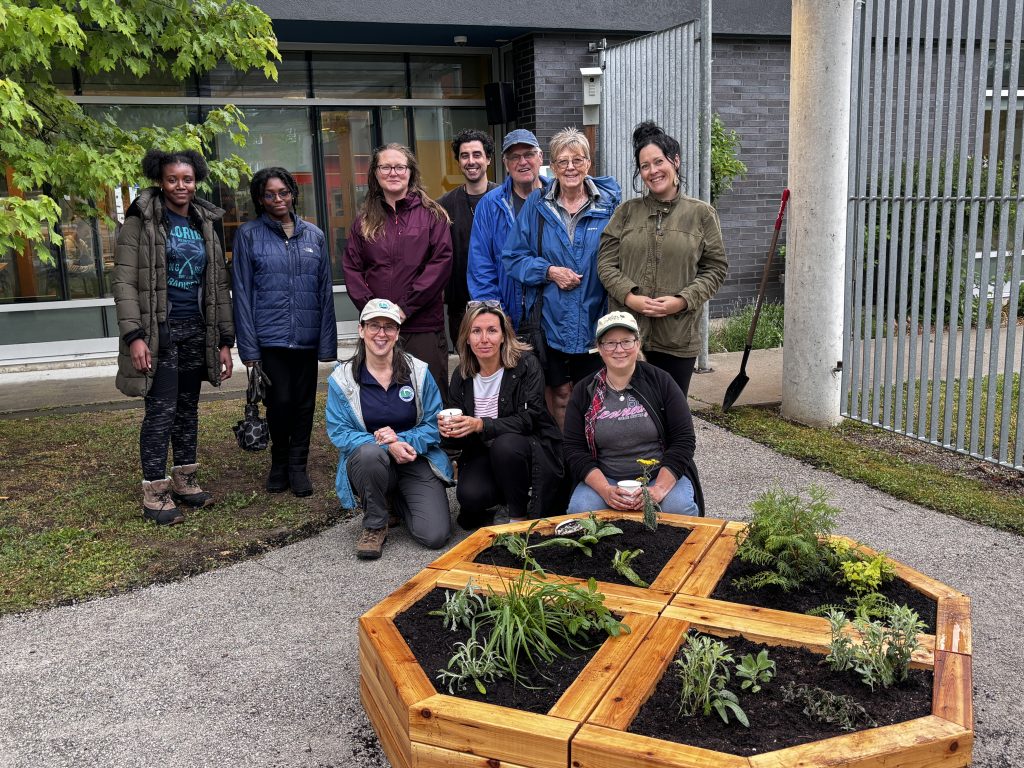
This garden is inspired by Indigenous Knowledge Systems that are passed down orally through generations. We recognize that Indigenous Nations and cultures are diverse, with distinct languages, traditions, and teachings. While this garden reflects certain shared elements, such as the Four Sacred Medicines, practices and meanings may vary across communities. We encourage learning from local Knowledge Keepers and respecting each Nation’s unique ways.

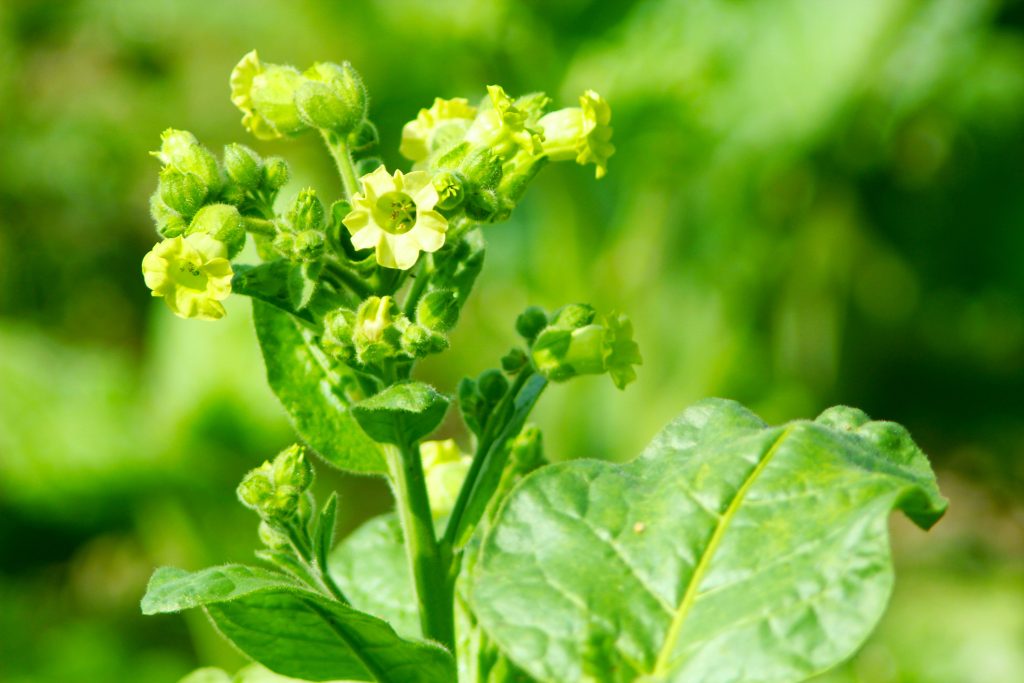
Tobacco
Tobacco is regarded as a sacred plant and is central to many ceremonial and spiritual practices across diverse Indigenous Nations. Tobacco is offered as a gift in gratitude, prayer, and when seeking guidance. It is often present during significant life stages and when building relationships, including requests for knowledge or teachings.

Sage
Depending on the cultural tradition, Sage is used in a variety of ceremonial and healing practices. Sage is used to bring balance, clarity, and calm. Its smoke may be used to cleanse and prepare people, spaces, and objects, driving away negativity and inviting positive energy.

Cedar
Cedar is valued for its protective and purifying properties. Its branches and smoke are used to cleanse people, spaces, and ceremonial items, and it may be combined with other medicines for healing and wellness.

Sweet Grass
Sweetgrass is widely recognized as a medicine of kindness, peace, and connection. Its sweet scent is said to invite positive energy and remind us of the beauty of life. Sweetgrass is often braided, symbolizing balance and unity — joining mind, body, and spirit, or the connections between people, the land, and the spirit world. Across many Nations, sweetgrass is used to promote harmony and to honour the relationships that sustain us.
Other Plants in the garden include:
Prairie Sage, Native Bergamot, White Sage, Black Eyed Susan,
Pearly Everlasting, Sweetgrass, Yarrow, Canada Anemone
Tobacco, American Arnica, White Yarrow, Blazing Star, Butterfly Weed,
Eastern White Cedar, Yellow Yarrow, Mullein.


The Medicine Wheel
The Medicine Wheel reflects Anishinaabe teachings of balance and interconnectedness, reminding us of the connections between the physical, emotional, mental, and spiritual aspects of life, and the relationships among people, plants, animals, and the land.
Two Row Wampum Belt
The Two Row Wampum Belt represents the original agreements of peace, friendship, and mutual respect between Nations — two distinct paths traveling side by side, each maintaining their own ways while committing to walk together in good relations.
More information on the Two Row Wampum Belt:
Two Row Wampum Belt 1613 – War Art in Canada
The Story of the Two Row Wampum Belt as told by Elder William Woodworth

Miigwetch Marsii Mîkwec
The concept of the Garden was first envisioned by, and realized with immense support from, Tanya Gluvakov, from Roots + Raven.
The garden was made possible thanks to support from:
